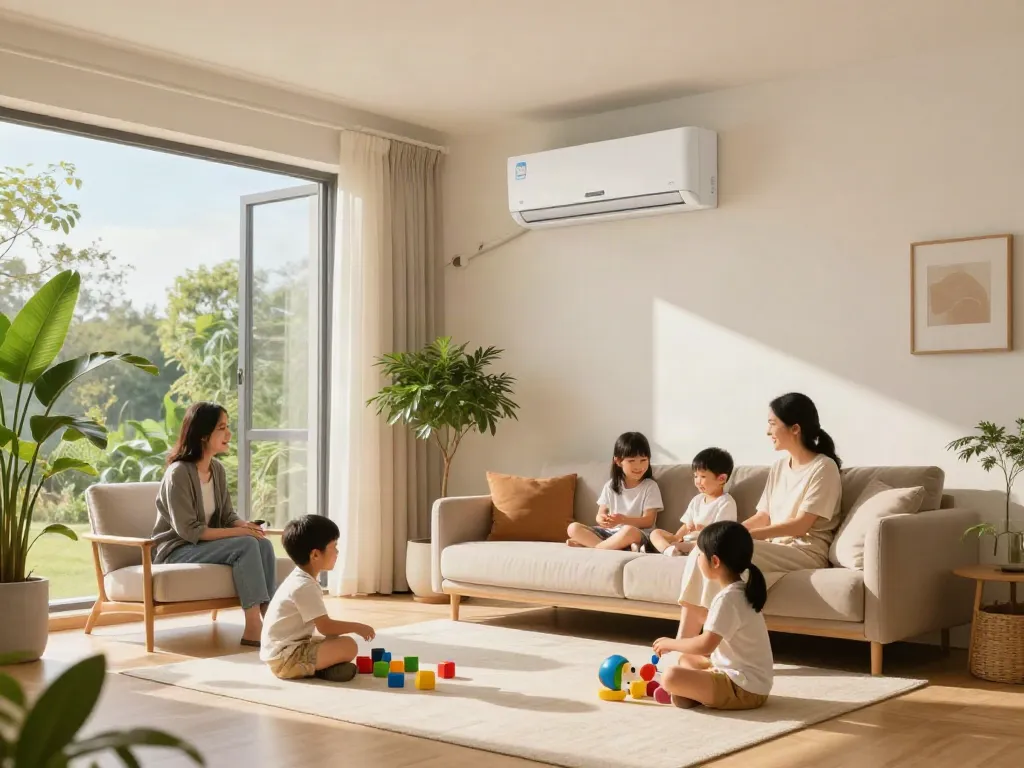
Understanding the Split AC Unit
In today’s world, where energy efficiency and comfort are priorities, understanding how to effectively cool and heat residential spaces is crucial. The split AC unit has emerged as one of the leading solutions in modern climate control systems. Unlike traditional air conditioning units, split systems offer a range of benefits that extend beyond mere temperature regulation. When exploring options, split ac unit provides comprehensive insights into this innovative technology, making it an ideal choice for homeowners seeking both efficiency and comfort.
What is a Split AC Unit?
A split AC unit consists of two main components: an indoor unit and an outdoor unit. The indoor unit is usually mounted on a wall or ceiling and contains the evaporator coil, while the outdoor unit houses the compressor and condenser. This type of air conditioning system is often referred to as a ductless system because it does not require ductwork to provide heating and cooling. Instead, refrigerant lines connect the two units, allowing for efficient heat transfer.
Key Components and Their Functions
Understanding the individual components of a split AC unit will help you appreciate its functionality better:
- Indoor Unit: Contains the evaporator coil, which absorbs heat from inside the room, cooling the air before circulating it back into the space.
- Outdoor Unit: Houses the compressor and condenser, which expel the absorbed heat outside.
- Refrigerant Lines: These insulated lines transport the refrigerant between the indoor and outdoor units, enabling efficient heat exchange.
- Thermostat: Regulates the temperature setting of the system to maintain desired comfort levels.
How Split AC Units Compare to Traditional Systems
When comparing split AC units to traditional ducted systems, several advantages emerge:
- Installation Flexibility: Split systems do not require extensive ductwork, making them easier and less expensive to install, especially in homes lacking ducts.
- Energy Efficiency: These systems tend to use less energy, resulting in lower utility bills and a reduced carbon footprint.
- Individual Climate Control: Multiple indoor units can be installed, allowing for different rooms or zones to be cooled or heated independently.
Benefits of Using a Split AC Unit
Energy Efficiency and Cost Savings
One of the most compelling reasons to choose a split AC unit is its energy efficiency. Many systems come with a high Seasonal Energy Efficiency Ratio (SEER) rating, indicating superior performance. Because they target specific areas rather than cooling an entire home at once, they can significantly reduce energy consumption. This translates into lower monthly utility bills, making them a cost-effective choice for long-term savings.
Improved Indoor Air Quality
Split systems often feature advanced filtration systems that improve indoor air quality by capturing allergens, dust, and other pollutants. The ability to circulate fresh air helps maintain a healthier living environment, reducing respiratory issues and allergies associated with poor air quality.
Flexible Installation Options
Split AC units offer unparalleled flexibility in installation. They can be mounted in various locations, including walls and ceilings, without the need for intrusive ductwork. This adaptability extends to configuration options as well, as multiple indoor units can be used with a single outdoor unit, catering to unique space requirements and design preferences.
Maintenance Tips for Optimal Performance
Regular Cleaning and Filter Changes
To keep your split AC unit operating efficiently, regular maintenance is essential. Clean the filters every month, and replace them as needed. Dust and debris can accumulate, obstructing airflow and decreasing efficiency. It is also vital to clean the outdoor unit regularly to prevent debris build-up that can affect its performance.
Common Issues and How to Troubleshoot Them
Like any appliance, split AC units can encounter issues. Common problems include:
- Inadequate Cooling: This could be due to dirty filters or low refrigerant levels. Check filters first, and if clean, consider contacting a professional for refrigerant recharge.
- Noisy Operation: Unusual sounds can indicate a loose component. Inspect the unit and tighten any loose parts.
- Unpleasant Odors: Musty smells might signify mold growth in the unit. Clean the coils and filters to resolve this issue.
When to Call a Professional
While some maintenance tasks can be done by the homeowner, others require professional intervention. If troubleshooting does not resolve the issue, or if you notice coolant leaking or electrical problems, it is important to contact a licensed HVAC technician. Professionals can provide comprehensive diagnostics and ensure repairs are done safely and effectively.
Installation Insights and Cost Considerations
Choosing the Right Location for Installation
The location of both indoor and outdoor units plays a crucial role in the system's efficiency and performance. Indoor units should be placed in areas that require cooling or heating, while outdoor units should be located in a shaded, well-ventilated area to prevent overheating. Consider proximity to power sources and the layout of your home as well.
Understanding Installation Costs
The cost of installing a split AC unit can vary based on factors such as the brand, size, and complexity of the installation. On average, homeowners can expect to pay between $2,000 and $5,000 for installation. This includes both the unit and installation labor. Additional costs may arise for modifications or electrical upgrades.
DIY vs. Professional Installation: Pros and Cons
While some homeowners may consider a DIY installation to save money, this approach has its risks. Professional installers bring expertise and can ensure the system operates efficiently and safely. DIY enthusiasts should be knowledgeable about local codes and regulations. Here are some points to consider:
- Pros of Professional Installation: Guaranteed workmanship, warranty coverage, and compliance with local regulations.
- Cons of Professional Installation: Higher upfront costs, potential scheduling delays.
- Pros of DIY Installation: Savings on labor costs, complete control over the process.
- Cons of DIY Installation: Risk of improper installation, potential safety hazards, lack of warranty.
Future Trends in Air Conditioning Technology
Smart Features and Automation in 2026
The HVAC industry is seeing a significant shift towards smart technology integration. In 2026, expect to see split AC units equipped with smart thermostats and IoT capabilities that allow homeowners to control their systems remotely via smartphones. These advancements will enable users to optimize energy usage and enhance comfort levels even when they are away from home.
Sustainability Trends in HVAC Systems
As environmental concerns grow, the HVAC sector is increasingly focusing on sustainability. Mini split systems are expected to adopt more eco-friendly refrigerants that reduce greenhouse gas emissions. Additionally, manufacturers are exploring ways to enhance energy efficiency further, making split AC units a top choice for environmentally conscious consumers.
Predictions for the Mini-Split Market
Market analysts predict a strong growth trajectory for the mini-split AC industry. Factors driving this trend include rising demand for energy-efficient systems, the growing popularity of home renovations, and increased consumer awareness of indoor air quality. With these changes, homeowners will have more options and better technologies to choose from as they enhance their living environments.
What are the installation costs for a split AC unit?
Installation costs for a split AC unit can range significantly based on your home’s specific requirements. Typically, you can expect to pay between $2,000 to $5,000, which encompasses the unit's purchase and installation labor. Additional costs may apply if structural changes or electrical upgrades are needed.
How often should I service my split AC unit?
Regular maintenance is crucial for optimal performance. Homeowners should aim to professionally service their split AC units at least once a year. Additionally, changing or cleaning filters every month can help prolong the unit's lifespan and efficiency.
What are the energy savings associated with a split AC unit?
On average, split AC units can save homeowners 30%-40% on electricity bills compared to traditional window units due to their enhanced efficiency and targeted cooling capabilities.
Can I install a split AC unit myself?
While it is possible to install a split AC unit yourself, it may not be advisable unless you have experience in HVAC installations. Professional installation ensures the unit is set up correctly, complies with local regulations, and operates safely and efficiently.
What maintenance is needed for optimal performance?
Key maintenance steps include regularly changing or cleaning filters, ensuring the outdoor unit is free from debris, and scheduling annual professional inspections. These practices will help keep your split AC unit running efficiently and prolong its lifespan.